Hearing scampering above? You may have squirrels in attic. Keeping Squirrels Out of Your Attic becomes a bigger concern during summer because Berwyn homes often experience this seasonal activity.
Our A-1 Pest Master team often sees attic activity increase during warmer months because squirrels look for cooler and protected spaces.
Hearing activity overhead and unsure where to start? The checklist below can help you spot early warning signs around your home.
Quick Attic Check
- Listen for scratching or movement early in the morning
- Look for roofline gaps and damaged trim
- Check vents for openings
- Watch for insulation that looks disturbed
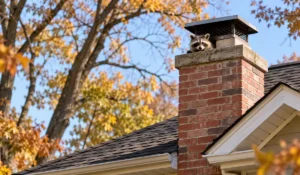
- Look outside for squirrel activity around trees and rooftops
Why Squirrels Choose Attics in Summer
Scratching overhead often becomes more noticeable during summer because squirrels start searching for protected areas around homes. Attics provide shelter and a quieter environment away from outdoor conditions.
Escape Extreme Heat
Summer heat pushes wildlife toward cooler and protected spaces. Many homeowners expect attic activity during colder months, but squirrels also look for shelter during summer.
Prepare for Fall Nesting
Summer activity often begins earlier than many homeowners expect because squirrels look for quiet spaces before future nesting activity increases. Small openings around a home can become larger access points later in the season.
Shelter From Predators
Outdoor spaces create constant pressure from birds of prey, changing weather, traffic, and neighborhood activity. Attics remove many of those risks and create a more protected place for shelter.
Older Berwyn homes often have roof edges, soffits, and vent areas that develop small openings over time. Those gaps can stay unnoticed until scratching starts above the ceiling.
📌 People also ask: Can squirrels stay in an attic during summer?
Yes. Summer squirrel nesting behavior and shelter activity can keep squirrels inside attic spaces for extended periods.
Entry Points to Watch
Small openings around a roof become one of the most common reasons squirrels gain access to an attic. Many of these roof entry points stay hidden until noises or damage become more noticeable.
| Area | What to Watch For | Why It Matters |
|---|---|---|
| Roofline gaps | Small openings near edges | Creates direct access |
| Vents | Missing covers | Easy attic entry |
| Soffits | Loose or damaged areas | Soft material attracts chewing |
Roofline Gaps
Tiny openings around roof sections often create easy opportunities for squirrels because weather exposure, aging materials, and seasonal wear can slowly create gaps that are difficult to notice from ground level.
Uncapped Vents
Vent openings often become overlooked entry areas because they already provide direct access into the structure. Squirrels usually choose easier access points before creating new ones around a home.
Homeowners dealing with local squirrel activity often notice that roof vents become a repeated access location.
Damaged Soffits
Soffits weaken over time because of moisture exposure, weather conditions, and normal aging. Softer materials around roof edges become easier targets for chewing and entry activity.
Our team checks these areas closely because many attic problems begin with openings that homeowners rarely notice. Similar patterns also appear in seasonal rodent movement when changing conditions push wildlife closer to homes.
Damage Squirrels Can Cause
The sounds overhead are often the first warning sign because hidden damage can continue long after activity begins.
Chewed Wires
Squirrels chew materials to manage teeth that continue growing throughout their lives. Electrical wiring inside attics becomes vulnerable because chewing activity can damage protective coverings and create safety concerns.
The National Pest Management Association notes that wildlife and rodent activity inside structures can create property damage concerns.
Insulation Nesting
Attic insulation provides warmth and nesting material. Squirrels often move or compress insulation, which can affect airflow and energy efficiency.
Homeowners noticing attic rodent warning signs often see similar patterns involving insulation disturbance and hidden activity.
Entry Widening for Other Pests
Small openings rarely stay small once wildlife activity starts around a home. Areas that squirrels enlarge can create opportunities for additional pests to use the same access route later.
Outside activity sometimes becomes connected to indoor problems. Homes experiencing yard pest activity sometimes later develop issues involving attic spaces and roof access points.
What Homeowners Should Watch For
Scratching that becomes louder, disturbed insulation, and repeated movement around the same time each day can signal increasing activity.
A Berwyn homeowner may first hear light scratching near sunrise and later notice insulation shifted near vents before discovering a small soffit opening.
Homeowners should avoid sealing openings while animals remain inside an attic space because that can create additional problems. The better step is identifying active areas first and then addressing access points after removal is complete.
Persistent noises or visible roof damage can signal that it is time for a closer inspection.
Avoid This Mistake
- Sealing openings before confirming squirrels are gone
- Ignoring scratching that repeats every morning
- Waiting until insulation damage spreads
Mid-Article Guidance
Many homeowners discover that scratching sounds are often the first sign of a larger attic problem.
Our wildlife removal services explain how our team inspects activity, removes wildlife, and helps reduce repeat problems as part of a long-term attic pest control plan.
A1's Summer Wildlife Prevention in Berwyn
Homeowners often notice small openings, shifted insulation, and roof activity after taking a closer look.
Humane Squirrel Removal
Our team focuses on humane wildlife removal that addresses the issue while helping reduce future activity. Removing animals without correcting access points often creates repeat problems later.
Homeowners who want a closer look at our background can see our company founder story and how we handle recurring wildlife issues.
Entry Sealing With Mesh Guards
Openings around roof sections and vents need protection after wildlife activity stops. Our process includes checking common access areas and securing vulnerable points where squirrels repeatedly enter homes.
The Illinois Department of Natural Resources provides additional information through Illinois wildlife resources.
Noise Deterrent Recommendations
Noise deterrents can help in certain situations, but they work best as part of a larger prevention process. Sound alone usually does not address the reason wildlife entered the attic in the first place.
Our local service areas include Berwyn and surrounding communities where we regularly handle Berwyn wildlife removal work for homeowners dealing with attic activity.
Common Questions Homeowners Ask About Squirrels in Attics
I hear scratching in the attic. Does that always mean squirrels?
No. Scratching sounds can come from squirrels, mice, rats, birds, or other wildlife. The timing of the sound often helps narrow it down. Squirrels are usually more active during early morning and daytime hours, while rodents often become more active at night.
Can squirrels leave an attic on their own?
Sometimes squirrels leave temporarily to search for food, but they often return if the attic still provides shelter and easy access. Entry points that remain open can continue attracting activity.
Should I close attic openings if I see squirrel activity?
Not immediately. Sealing an opening while animals remain inside can create larger problems and make removal more difficult. It is important to identify active areas before closing access points.
When should a homeowner consider a closer inspection?
Repeated scratching sounds, damaged soffits, disturbed insulation, or visible activity around roof areas often suggest that the issue may be getting larger.
Can squirrels create damage beyond the attic?
Yes. Squirrels can chew wires, disturb insulation, and enlarge openings that may allow additional pests to enter the home later.
Stop Small Attic Problems Before They Grow
Attic activity can become a larger repair problem when small entry areas stay open. Homeowners dealing with squirrels in attic Berwyn activity often notice repeated noises and insulation disruption.
You’ve seen why squirrels move into attics during summer and how small openings can turn into larger problems around the home. We identify where activity begins, inspect common access areas, and build prevention plans around the conditions allowing squirrels to return.
Stop attic damage before it starts. For squirrels in attic Berwyn homeowners dread, A1 offers humane and effective solutions.
Call us at (773) 737-6939 if you’d like help deciding what makes sense for your situation.