
November is a practical month for rodent control because mice and rats may seek dependable food and shelter as colder weather arrives. Checking likely entry points and attractants now can help Calumet City homeowners address conditions before winter.
A-1 Pest Master has served the Chicago area since 1984. For Calumet City homeowners considering rodent control, checking the home now can reveal entry points and attractants before they turn into a larger winter problem.
Why November Is the Last Best Opportunity for Prevention
Waiting for scratching noises can mean waiting until rodents have already found their way indoors. November gives homeowners an opportunity to look for vulnerabilities while preparing the rest of the property for colder weather.
Focus on three priorities:
- Identify openings that could allow rodents inside.
- Seal appropriate access points before winter.
- Reduce accessible food, water, and sheltered clutter.
The CDC includes sealing possible entry points and removing accessible food and water among its rodent infestation prevention measures. Prevention therefore means changing the conditions rodents can use, not simply watching for signs after they appear.
Our fall rodent entry information adds practical context about how rats can take advantage of vulnerable areas as colder conditions arrive.
Your November Rodent Defense Scorecard
A home does not need every possible vulnerability to deserve attention. One small opening matters more when rodents can also reach dependable food, water, or protected shelter nearby.
Your Property Checkup
Check the conditions that apply to your property:
Review the identified conditions and address accessible food, shelter, or entry points.
What your score means
| Items Checked | Recommended Action |
|---|---|
| 0–2 | Review the identified conditions and address accessible food, shelter, or entry points. |
| 3–4 | Prioritize a property walkthrough and correct the most significant vulnerabilities. |
| 5 or more | Consider a more detailed inspection of the exterior, garage, and indoor storage areas. |
This scorecard is a practical screening tool, not a scientific risk rating. Even one unsealed opening can deserve prompt attention.
Your next step: Start with conditions you can correct safely, such as securing food containers and moving clutter away from walls. Note suspected entry points for closer inspection.
The Exterior Inspection Most Homeowners Skip
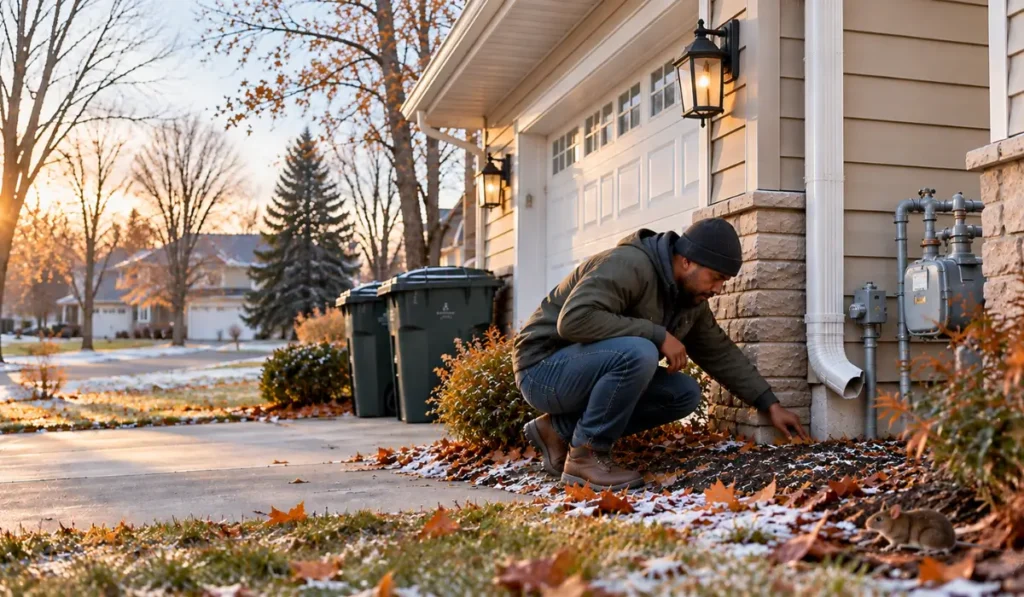
Small exterior openings are easy to miss during routine home maintenance. Walk around the structure slowly and pay particular attention to places where doors, pipes, vents, foundations, and different building materials meet.
Inspect:
- Foundation gaps and cracks
- Openings around utility lines
- Garage door edges and seals
- Roofline transitions
- Damaged or unsecured vent covers
The EPA includes blocking pest entry among its integrated pest management principles. This prevention-focused approach addresses the property conditions that allow pest activity instead of relying only on a response after pests appear.
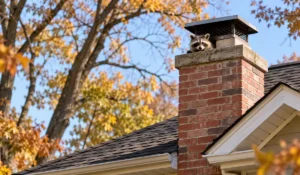
Roof access deserves attention too. Branches and nearby structures can create routes toward rooflines and upper-level openings for rodents and other animals. Our squirrel attic prevention advice adds useful context for checking these upper areas of the home.
Why Garages Become Rodent Launch Pads
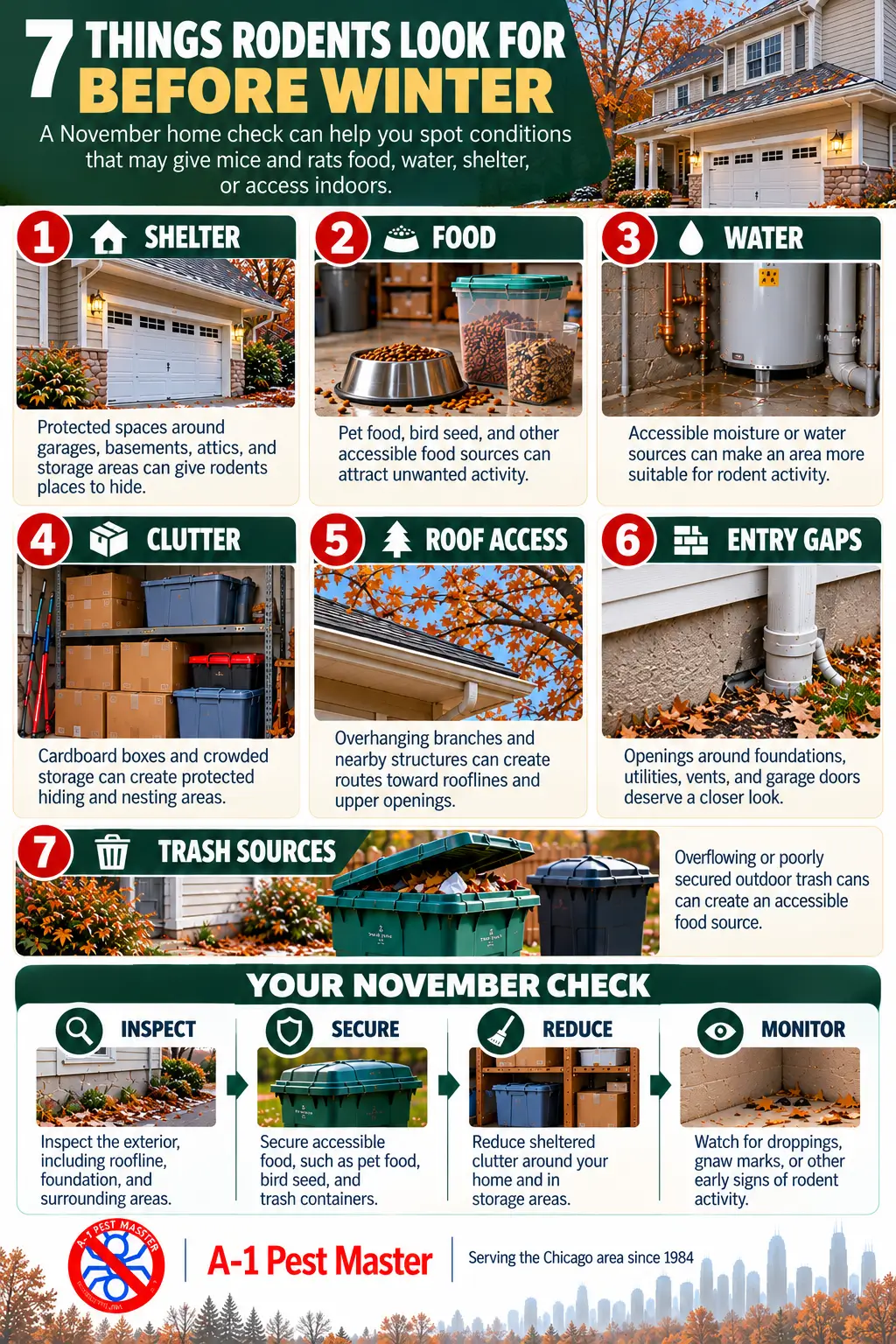
The kitchen gets plenty of attention, but a garage can give rodents several things they need before they ever reach the living space. Food, clutter, shelter, and gaps around doors can exist within a relatively small area.
Stored pet food and bird seed should be kept in secure containers. Cardboard boxes and seasonal decorations can also create protected spaces where signs of activity are harder to notice.
This is where mice prevention becomes practical rather than complicated. Keeping storage organized, reducing accessible food, and checking garage seals removes some of the conditions that can make an attached or detached garage attractive to rodents.
The Indoor Areas Rodents Target First
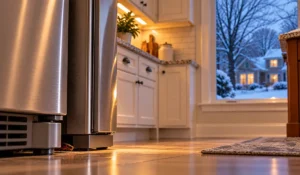
Quiet, low-traffic spaces deserve close attention because rodent activity can remain unnoticed there longer. Basements, utility rooms, laundry areas, crawlspaces, and attics may contain hiding places as well as routes into other parts of the home.
Look behind stored belongings and around pipes, walls, appliances, and utility penetrations. Food is not the only concern. Water, nesting material, protected shelter, and easy movement through the structure can also affect where activity develops.
When prevention is no longer enough, our rodent, rat, and mice removal services address these pests directly. Identifying where signs appear can give our team useful context when evaluating the problem.
What Calumet City Homeowners Should Watch For
Homes in Calumet City can have different rodent vulnerabilities depending on their construction, storage arrangements, and surrounding property conditions. Building age alone does not determine whether mice or rats can enter.
Four property features deserve particular attention:
Older homes: Examine foundation transitions, repaired openings, utility penetrations, and worn door seals.
Detached garages: Check garage-door gaps, stored pet food, bird seed, cardboard boxes, and seasonal decorations.
Seasonal weather changes: Inspect exterior openings before colder conditions make indoor shelter more attractive.
Mature landscaping: Examine branches near rooflines, dense vegetation beside foundations, and sheltered areas around exterior walls.
Attached garages also deserve attention because openings between the garage and living space may provide additional routes into the home.
Local homeowner tip: Walk around your property before storing winter equipment or bringing holiday decorations indoors. This is an opportunity to spot damaged seals, accessible food, and clutter that may otherwise remain unnoticed.
A-1 Pest Master has served Chicago and surrounding communities since 1984. Calumet City homeowners can use these inspection priorities to prepare their properties before winter and determine whether professional assistance is warranted.
Small Signs That Often Appear Before a Full Infestation
Rodent activity may begin quietly. A homeowner might notice evidence of mice or rats before seeing an animal directly.
Watch for:
Droppings: Small waste deposits near walls, cabinets, stored items, or suspected travel routes.
Gnaw marks: Damage to packaging, wood, or other materials.
Scratching noises: Movement sounds in walls, ceilings, or concealed spaces.
Nesting materials: Shredded paper, insulation, or other soft materials gathered in protected areas.
Changes in pet behavior: Unusual attention toward walls, appliances, or hidden spaces.
What to do when you find droppings or gnaw marks: Note the location, look for nearby food sources or possible openings, and keep children and pets away from suspected contamination. Avoid sweeping or vacuuming rodent droppings. Follow the CDC’s rodent cleanup precautions before disturbing affected materials.
Repeated signs or evidence in multiple areas may justify a professional inspection. Identifying where the activity occurs helps determine which parts of the property need attention.
Why Prevention Costs Less Than Removal
Addressing accessible food, shelter, and entry points before activity becomes established can limit the conditions rodents depend on. Once rodents are nesting indoors, the response may also need to account for contamination, damage, or multiple access points.
| Prevention | Established Infestation |
|---|---|
| Earlier intervention | More extensive response |
| Less disruption | Greater disruption |
| Fewer damage concerns | Potential property damage |
| Easier monitoring | More involved treatment |
Actual costs depend on the property and extent of activity, so prevention does not guarantee a particular savings amount. Its practical advantage is the opportunity to address vulnerabilities before a small issue becomes a more involved rodent control problem.
What a Professional Rodent Control Inspection Evaluates
A professional rodent inspection goes beyond confirming that mice or rats may be present. The goal is to identify the conditions allowing activity to develop and determine what needs to change.
An inspection may evaluate:
Entry points: Foundation gaps, utility openings, garage seals, vents, and roofline transitions.
Nesting risks: Protected spaces in basements, crawlspaces, attics, and storage areas.
Food and water sources: Accessible pet food, bird seed, trash, leaks, and other attractants.
Structural vulnerabilities: Damaged materials or openings that may allow rodents to move through the property.
Activity evidence: Droppings, gnaw marks, nesting material, and suspected travel routes.
What Happens After Entry Points and Nesting Risks Are Identified?
The next step is to connect the inspection findings to a practical rodent control plan.
Explain the findings: Identify suspected access routes, signs of activity, and conditions contributing to the problem.
Prioritize corrections: Determine which openings, food sources, water sources, or sheltered areas need attention first.
Recommend appropriate control measures: Consider the evidence, affected areas, and extent of activity before selecting a response.
Address prevention and follow-up: Explain monitoring, exclusion recommendations, and any additional steps needed to reduce future activity.
A garage-door gap, attic opening, or food source may require a different response from an established nesting area. The inspection findings should guide the recommendations rather than assuming every rodent problem requires identical treatment.
Could Rodents Be Attracting Other Pest Problems?
Rodents do not automatically mean a home also has ants, cockroaches, or wildlife problems. Still, accessible food, clutter, structural openings, and sheltered spaces can create favorable conditions for more than one type of pest.
Our wildlife removal services address animal problems beyond rats and mice when the property conditions and pest involved call for a different response. Outdoor conditions can matter as well, and our squirrel lawn-damage information illustrates how wildlife activity can show up in different areas around a property.
The practical lesson is to evaluate the property rather than focusing only on the first pest noticed. An opening, food source, or sheltered area can deserve attention even when the immediate signs point to only one animal.
Frequently Asked Questions
When does rodent season start?
Rodent activity can become more noticeable during fall as outdoor conditions change and animals seek dependable food and shelter. Timing varies with weather, available resources, and property conditions.
What is a common rodent entry point?
Gaps around foundations, utility penetrations, vents, and garage doors can create potential access. Inspecting the entire exterior is more useful than assuming one type of opening is responsible.
Do rodents only enter older homes?
No. Newer homes can also contain accessible food, shelter, or openings. Building age can influence some vulnerabilities, but it does not determine whether rodents can enter.
Is November too late for prevention?
No. November can still be a practical time to inspect exterior openings, secure food sources, reduce clutter, and watch for early signs of activity. Our pest control FAQs address additional questions homeowners may have about A-1 Pest Master’s services.
Prepare Your Home Before Rodent Activity Grows
The best time to prepare for rodent season is before rodents move in. November gives Calumet City homeowners a chance to identify vulnerabilities and address them before winter.
Start With These Four Checks
-
1
Exterior openings: Look for gaps around foundations, doors, and utility penetrations.
-
2
Food sources: Secure pet food, stored food, and outdoor trash.
-
3
Sheltered areas: Check garages, basements, and storage spaces for clutter.
-
4
Warning signs: Note suspected droppings, gnaw marks, scratching sounds, or damaged food packaging.
When an Inspection Makes Sense
Suspected rodent activity, visible entry points, or uncertainty about how to address property vulnerabilities are good reasons to consider a professional inspection.
Get Help Assessing Your Home
A-1 Pest Master helps Calumet City and Chicago-area homeowners assess rodent activity and identify appropriate control measures. Our team evaluates entry points, nesting risks, and conditions that may contribute to an infestation.
Schedule Your November Rodent Inspection →Or call (773) 737-6939 to discuss preparing your Calumet City home for winter.